Building your dream home can be a daunting prospect, with many steps to consider. Yet the final product of your very own home, with a dream design tailored to your needs and your family's, is so exciting and makes the entire process feel worthwhile.
Taking the time to familiarise yourself with the process before construction begins can help you make timely, informed decisions, save money and go through the entire process with less stress.
Here's our step-by-step guide to building a new house for those who have never done it before.
Before you start building your home, you'll need to purchase the land and, in most cases, secure financing. It's also crucial to lay out your budget before the project begins.
Now's also a good time to think about which builder you'll choose to work with because they can refer you to architects they collaborate with, or, in some cases, they may have in-house draftspeople who can design your dream home. If you choose the right builder, they may also be helpful when selecting your ideal block if you have a particular design in mind.
PRO TIP: Some first-home builders think house and land packages are the easiest way to go. But by choosing to work with a custom home builder, you can live in a new home that's tailor-made for you, and that makes the most of your block of land with the correct orientation and layout.
The next step in the planning process is one of the most important parts of building a home, because a successful, stress-free build comes down to how well it's planned.
Now is when you decide on the size, style and floor plan of your home. Your designer and builder will know local building codes that may affect what you want to do, and they should be able to guide you through the approval process. If you're working with trusted professionals, this should be a smooth process.
The next step is to sign a building contract that covers timelines, payment schedules and quality standards.
PRO TIP: Work closely with your designer and your builder on your home design as they will have a good idea of where to splurge and where to save. For example, they will be able to guide you on which materials deliver the greatest energy efficiency to save you money in the long run.
Now, you're ready to start construction. Breaking ground is an exciting time as the land is cleared and prepared for building.
The foundation of your home, footings or slab, is the basis that gives it structural integrity, so naturally, this is the first major step in the building process. Underground utilities like plumbing, electrical connections and waterproofing also go in now.
PRO TIP: You can save money by purchasing a flat block of land, as excavation can be a major construction cost. But don't be put off if your block is sloped; it can mean your home captures breezes and views that others don't if you orient it correctly.
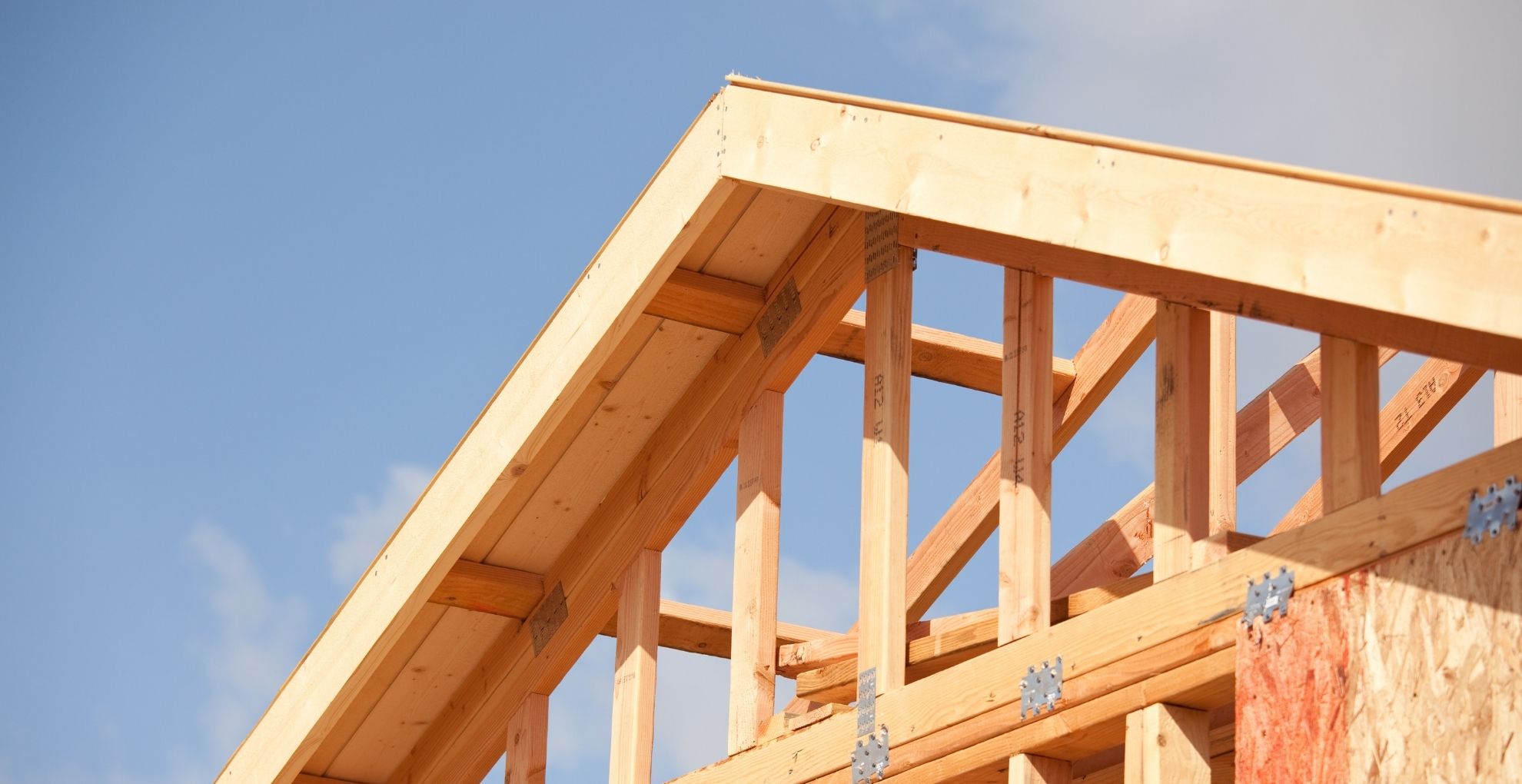
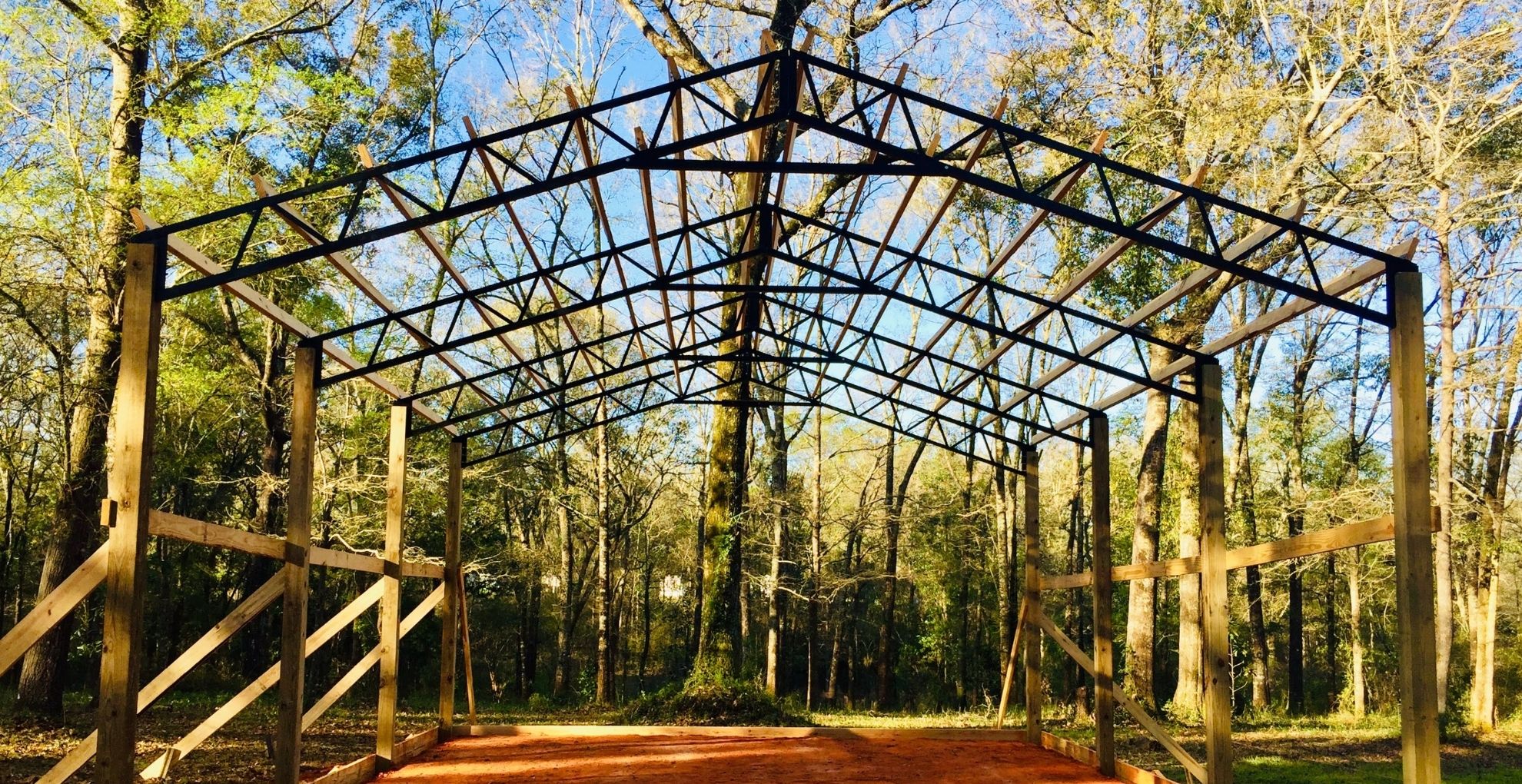
The 'framing' stage is when your house will finally start to look like one! First, the exterior walls and roof structure go up, followed by the interior framing. Windows and doors will then go in, and exterior cladding will be attached, meaning the house can be 'locked up'.
Plumbing and electrical rough-ins also happen now. These are the parts of your home's system you can't see, hidden behind walls.
Now that it's protected from adverse weather conditions, your builder can move on to the 'fixing' stage, where interior features are installed.
PRO TIP: If you have grand plans for some rooms but can't afford them right now, talk to your builder and electrician about pre-wiring where you feel you might need electrical connections in the future.
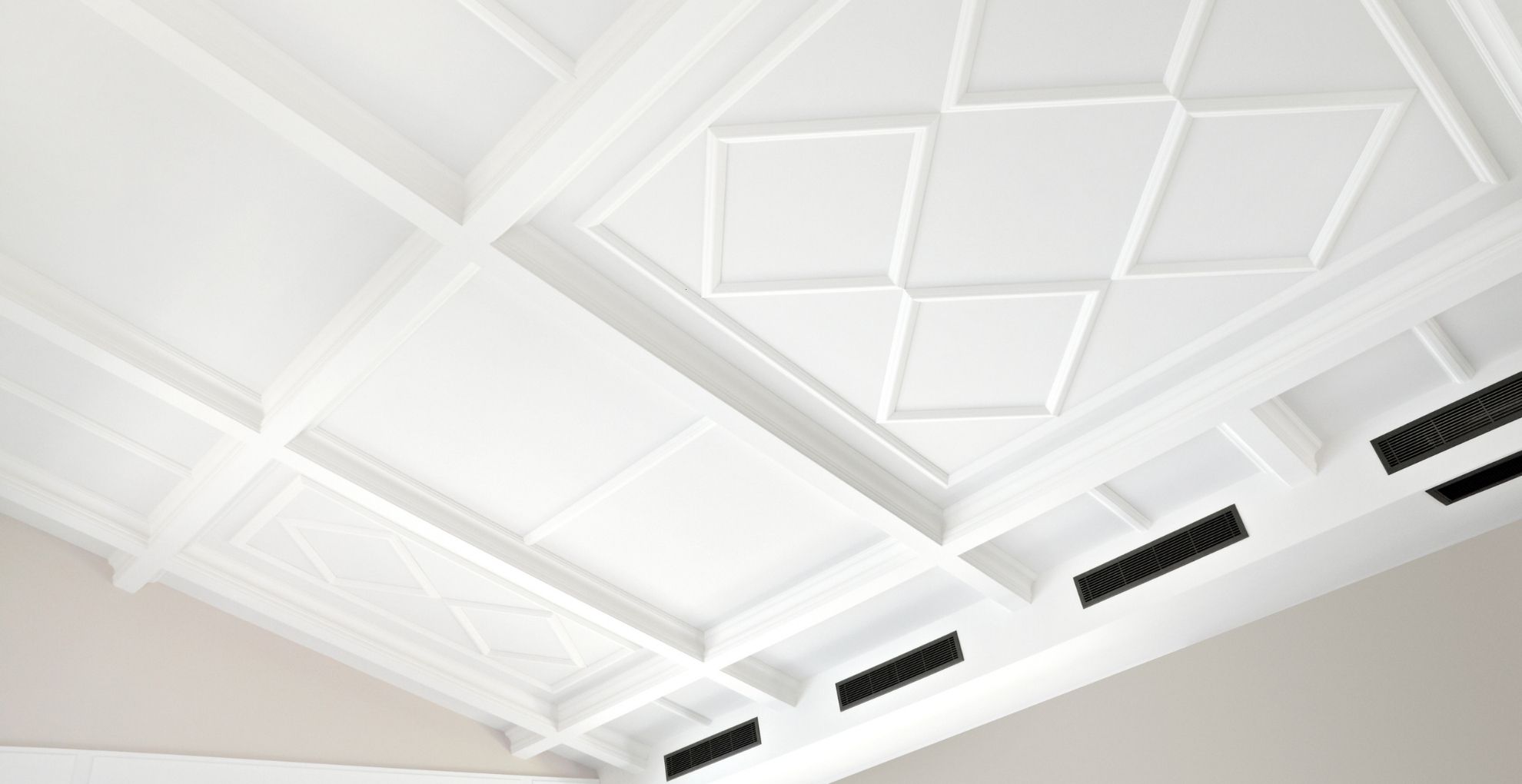
It's all starting to come together now as insulation goes in and plasterboard or similar materials are installed to form the walls.
Flooring, cabinetry and tiling are next, followed by painting. Then, finally, electricians and plumbers will return to install fixtures and appliances.
PRO TIP: Ensure that all your selections for internal finishes, fixtures and fittings (everything from paint colours to cabinet handles) are made well before the fixing stage to avoid delaying your move-in date.
The final stage of building a house involves professional inspections, obtaining occupancy certificates, and completing a walk-through with your builder.
This final inspection is your chance to point out any flaws or issues that need to be addressed before the building is handed over to you, to guarantee you are satisfied with everything.
PRO TIP: Be clear about what post-construction services your builder provides before you sign a contract with them. Some may offer warranties beyond what the law requires. Read testimonials to see what other home buyers have to say about their satisfaction with the finished product, and don't be afraid to raise any issues you've come across with your builder.
If you're looking to build your first home in Wollongong, A Class Building and Construction aims to make the process stress-free with our 100% satisfaction guarantee.
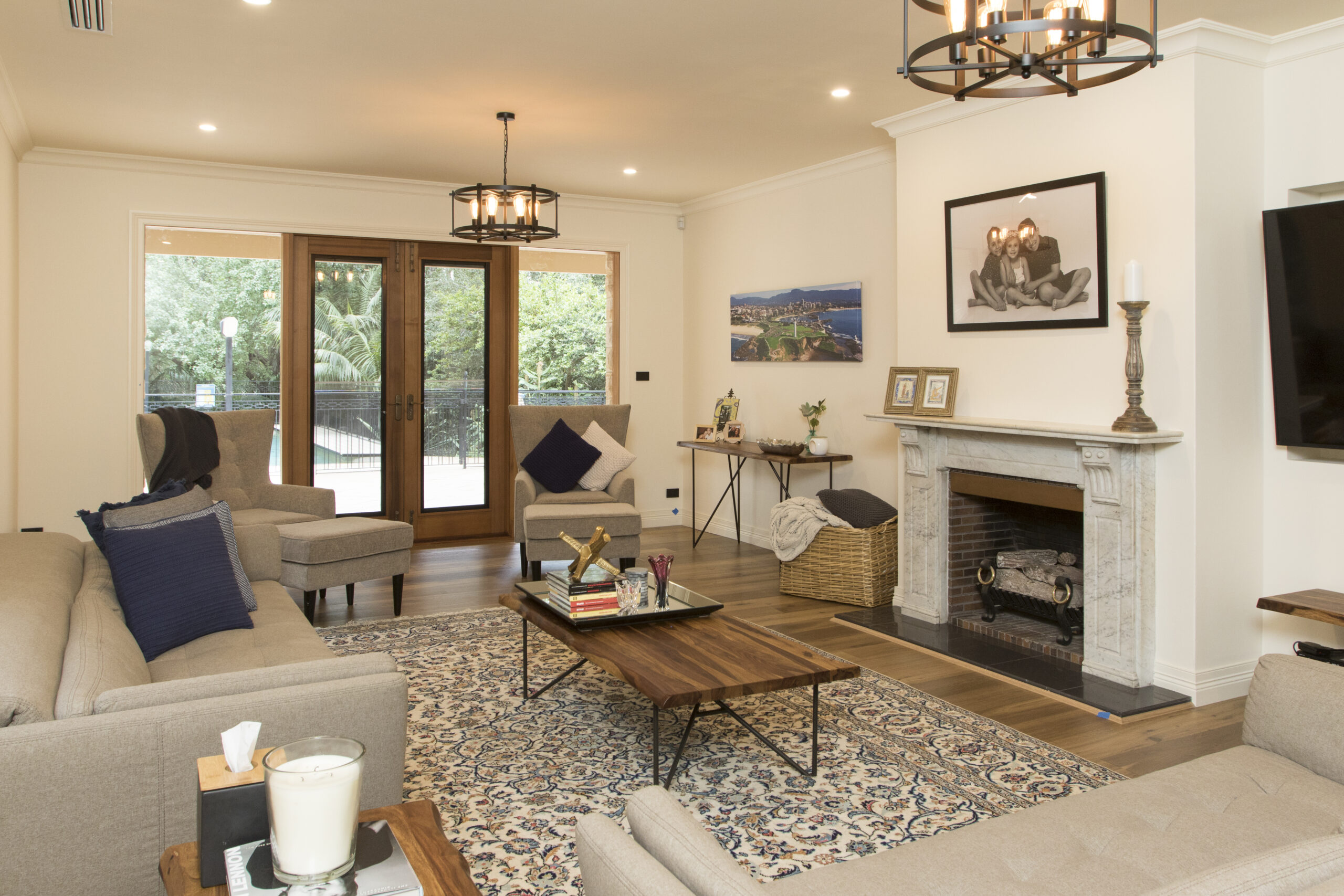
With more than 45 years of combined experience, we've worked with many clients who are building for the first time, and we understand it can be a confusing and tense time. But we're here to make the process of building a luxurious, custom home as simple as possible with our personalised service and high level of professionalism.
Visit our website to book a building consultation or call 0414 183 503 to speak directly with one of our founders, Scott, a licensed builder.
Building a house involves 4 major steps: laying the foundation, constructing the home's outer shell, enclosing it, and finishing the interior.
The hardest stage of building a house is the planning. The more work you do at the beginning, the smoother the whole process will be. However, it's often very difficult to make so many decisions at once, especially if you have never built your own home before.
The biggest difference between a custom home and a kit home is how they're put together. A custom home is built on-site, whereas a kit home is prefabricated in a factory and assembled on-site.