If you’ve found the perfect block of land, but the existing home doesn’t suit your family, or you’ve outgrown your current home but don’t want to leave your community, a knock down rebuild could be the ideal solution.
One of the most daunting aspects of this type of project is often the uncertainty around how long it will take and what happens between moving out of your old home and into your new one.
Because clients often ask about timelines, we’ve created this clear, month-by-month guide to the knock down rebuild process. We’ll walk you through the timeframes for each step, discuss factors that can affect timing, and share tips to help keep your dream home build on schedule.
A knock down rebuild can take as little as 12 months, but the exact timeframe depends on factors such as the complexity of the design, approval processes, local council regulations, and the availability of materials. Poor weather or unforeseen issues, such as removing hazardous materials, can extend the process.
Let's take a look at the rebuild process month by month, starting with the pre-construction phase.

Carefully planning your build is key to a smooth construction phase. Meet with your builder and architect early to discuss your house plans and ensure the design complies with local regulations.
Before construction begins, a site inspection and soil assessment will confirm ground conditions and ensure your new home is structurally stable. These checks help prevent common issues found in older homes, such as cracking walls or sticky doors, and should be done early, as site conditions may influence your final design.
In the second month, secure finance (such as a construction loan), finalise your home design, and sign the building contract. By the third month, you can lodge your plans with your local council or building certifier to begin the demolition approval process. Many knock down rebuild specialists work with trusted demolition contractors, which helps minimise delays and keep the project on track.
You may also need additional permits, such as an Asset Protection Permit, which your local council can advise you on.
Unlike vacant land that's ready to build on, demolition and site preparation can add several weeks to the construction process. Once your demolition permit is granted, the first step is disconnecting services.
Utility providers typically require 3–4 weeks’ written notice if their infrastructure is affected, so submit requests early to avoid delays.
Demolition can also be delayed if hazardous materials such as asbestos are uncovered, with mandatory waiting periods of up to 5 days required in NSW. However, these potential challenges and unexpected costs can be overcome with a comprehensive site inspection of the existing structure and careful planning.
Following demolition and clearing, site preparation can begin. In many cases, this stage involves earthworks to level the site before site boundaries are marked out. Termite treatments are also installed at this stage. These are mandatory for all new builds and major renovations in NSW to protect homes from structural damage that's not covered by home insurance.

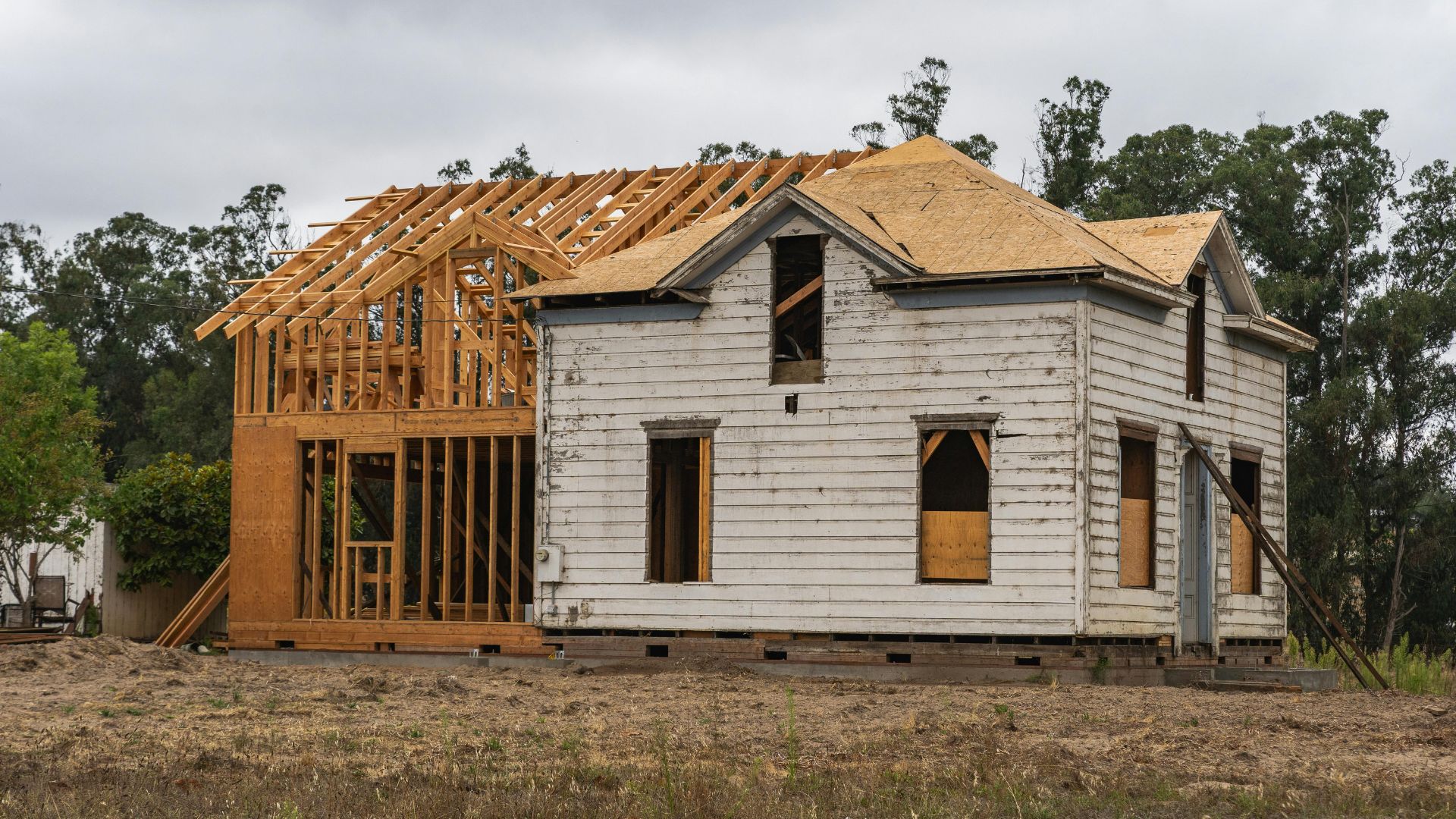
The construction phase begins with major site works, including underground plumbing installation and laying the foundation. By month 7, framing usually begins, and by month 9, the home should reach the ‘lock-up’ stage, with the roof, external walls, windows, and doors in place.
Around month 10, internal walls, ceilings, and insulation are installed, along with rough-ins for electrical and plumbing. Wet areas such as bathrooms also begin to take shape at this stage.
Over the next 6-8 weeks, cabinetry is installed, tiles go up, doors, skirting, and architraves are fitted, flooring goes down, and painting begins. And finally, lights, taps and appliances are fit-off, and your knock-down rebuild journey will have nearly reached completion.
To avoid delays, prepare contingency plans early, maintain open communication with your builder, and try to avoid last-minute changes, as these can have a flow-on effect on the rest of the build.
Finally, the finishing touches like the driveway, fencing and landscaping will complete the look of your home, and it will be time to walk through with your builder for a final inspection. Once you're satisfied the home meets your expectations and it has been approved for occupancy, it's time to move in!
There are a few factors that affect the timeline of your knock-down rebuild, and when you're staying with family or having to pay for alternative accommodation, delays are the last thing you want. Here are a few points at which, without proper planning, you may face holdups.
Here are our top tips to prevent schedule setbacks and construction cost blowouts.

As a new home is likely to be the biggest investment you'll ever make, it's important to hire the right team for the job. A builder with knock-down-rebuild experience is more likely to make your home-building journey a stress-free experience. Interview each of the potential candidates. Ask them about their credentials, review client testimonials and view their work in person, if possible. Most importantly, assess their communication style and ask yourself if it's compatible with your own.
We've built knock down rebuilds across Wollongong for over 50 years, and we know exactly how to keep a project on schedule. From council approvals to demolition and every stage of construction, we'll give you a realistic timeline from day one and stick to it.
We've built knock down rebuilds across Wollongong for over 50 years, and we know exactly how to keep a project on schedule. From council approvals to demolition and every stage of construction, we'll give you a realistic timeline from day one and stick to it.
Visit our website to book a building consultation or call 0414 183 503 to speak to us today.
Most Wollongong families need temporary accommodation for 6-10 months, covering demolition, construction, and final inspections. The full knock down rebuild timeline runs longer, 12-18 months from planning to move-in, but you're only displaced for part of that.
A knock down rebuild is a fantastic way to get a new home in the neighbourhood that you love. Whether you're after greater energy efficiency, more space, or a custom home with a contemporary aesthetic, a knock down rebuild is often a smart money move.
A small home can often be demolished in just a few days once approvals and service disconnections are complete. Larger homes, or those with hazards such as asbestos, may take several weeks to fully demolish and clear.
Always provide for the additional costs of a knockdown and rebuild if they are not included in your building contract. These hidden costs include demolition and council permits, site works, soil tests, utility disconnections and reconnections, landscaping, traffic control and of course, alternative accommodation.