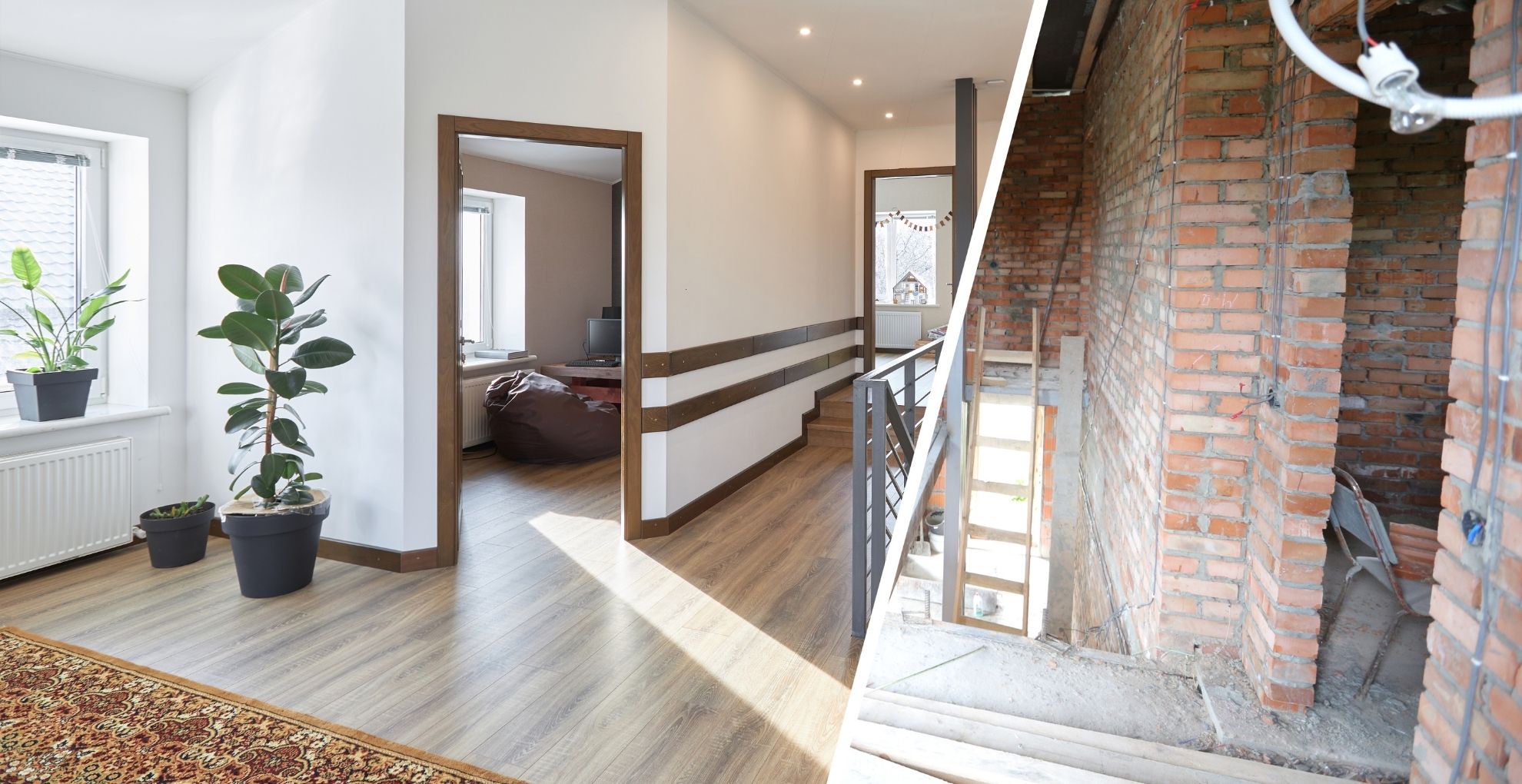
A typical kitchen renovation takes four to nine weeks on site. A cosmetic refresh with new doors, benchtops and a splashback can wrap up in one to three weeks, while a complex renovation involving structural work, custom cabinetry and layout changes can stretch beyond 12 weeks.
That is just the on-site time. Once you factor in the design process, material lead times and manufacturing, the full kitchen renovation timeline can span three to four months from first consultation through to handover. A lot happens before a single wall comes down, and knowing what to expect at each stage makes the whole process easier to plan around.
How long your kitchen renovation takes really depends on what you are changing:
| Renovation Type | What's Involved | On-Site Time |
| Cosmetic refresh | New doors, benchtops, splashback, paint | 1 to 3 weeks |
| Standard full renovation | New cabinets, appliances, flooring, benchtops, tiles | 4 to 8 weeks |
| Complex renovation | Layout changes, structural work, plumbing and electrical relocation | 8 to 12+ weeks |
The total renovation timeline is longer once you add in the design process, material lead times and scheduling. A standard kitchen renovation project can span three to four months from the first consultation through to handover, even though the on-site work might take only four to eight weeks.
Breaking the renovation project into stages gives you a clearer picture of how time is spent and why each phase matters.
This is where your kitchen design takes shape. It includes site visits, layout discussions, your wish list, budget alignment and design decisions. The planning process can take a few weeks to several months, depending on how quickly you finalise selections.
A well-considered kitchen design saves time later and reduces the chance of costly changes once work begins.
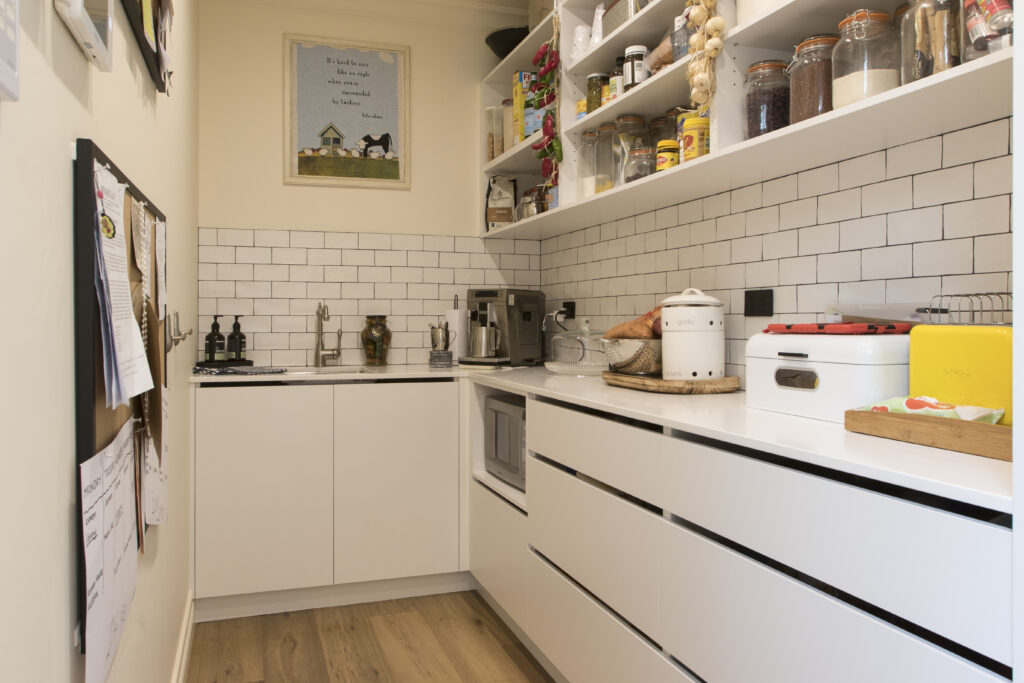
Now it is time to lock in the details. Cabinetry design, benchtop material, splashback, appliances and fixtures. Your kitchen designer or builder will also work through the practical side, like where your power points sit, what plumbing and electrical changes are needed, and whether anything triggers local regulations. If structural changes are part of the plan, you may need a Development Application or a Complying Development Certificate before work can start, which can add weeks to your start date.
Once selections are locked in, materials need to be ordered. Lead time for custom cabinetry, engineered stone benchtops and certain kitchen appliances can vary depending on availability. Your cabinet maker may need 10 days to several weeks for manufacturing. Ordering new appliances and materials early is one of the simplest ways to keep your renovation timeline on track.
Removing the old kitchen typically takes one to two days, followed by an initial clean and site preparation. During this stage, your renovation team will strip out existing cabinets, flooring, tiles and old appliances. Once walls and cabinetry come out, it is common to discover issues such as structural damage, water-damaged walls, damaged surfaces, termite damage, or outdated wiring that need attention before the build can continue. These necessary repairs can add a few days to the schedule.
This is when your plumber and electrician get to work. Moving water and waste pipes, relocating the sink, adding power points or upgrading electrical work can take anywhere from two days to several days, depending on how much is changing.
If you are keeping the same layout, this stage is straightforward. If you are moving plumbing, gas lines, or electrical points, expect roughly 1 to 2 additional weeks of rough-in work on top of that. All plumbing and electrical installations need to comply with local regulations and pass inspection before the next stage can begin.
Walls are patched, plastered and prepared for paint or tiles. Flooring is prepped for the new surface. This stage moves relatively quickly but is essential for a clean finish.
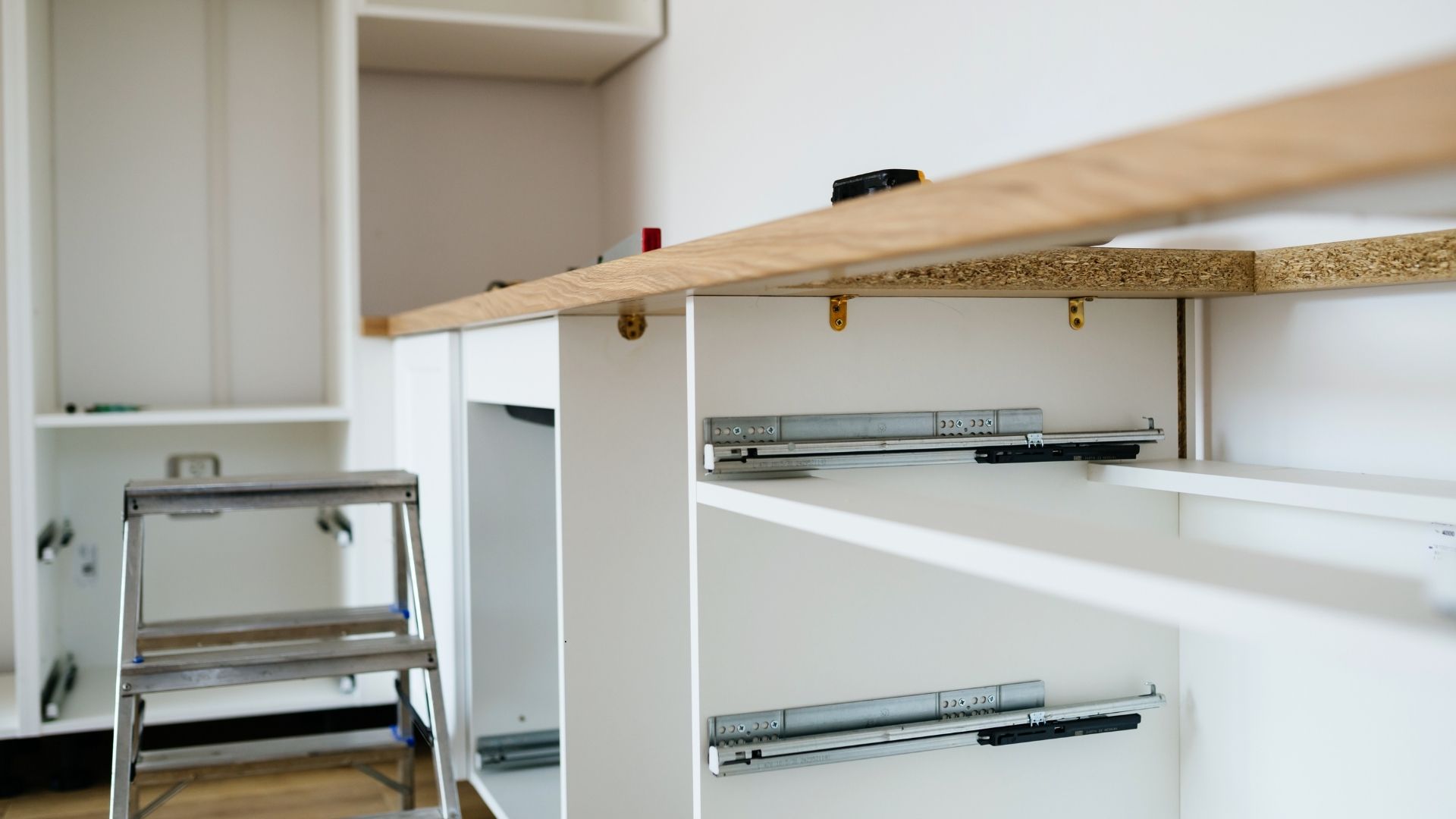
Installing cabinets is one of the most visible milestones in any kitchen renovation. This stage typically takes a couple of days to a week, depending on the complexity of the installation process and the number of fixed appliances being fitted. Once new cabinets are installed, stone benchtops are templated and then fabricated. There is usually a wait period between the template measure and the final install, which is worth planning for. Laminate benchtops have a shorter lead time and can speed things up if your renovation timeline is tight.
Tiled splashback installation generally takes 2 to 5 days, depending on the area size and tile type. Appliance installation follows, with all new appliances, power points and lights connected and tested. Installing flooring can take 2 to 3 days, depending on whether you are using vinyl, tiles, or timber.
Painting typically takes 1 to 3 days. After that come the finishing touches, a final clean and a walkthrough to make sure everything is complete and working properly. This is where your new kitchen comes together, and the disruption finally ends.
Most kitchen renovation delays are preventable, but they still happen more often than they should. The usual causes are scope changes after work has already started, long lead times on specialty finishes or imported materials, stone fabrication wait times, and poor coordination between trades. Then there are the things you cannot plan for, like water damage, asbestos or structural damage that only shows up once the old kitchen comes out. Skilled labour availability plays a part too, especially during busier months.
Having an experienced team that manages the full renovation project from start to finish makes a real difference here.
In most cases, yes. You will lose access to your kitchen for part of the process, so it helps to set up a temporary cooking spot somewhere else in the house. A microwave, a kettle, and a portable cooktop will get you through. Dust and noise are part of it, especially during demolition and tiling, but for a small kitchen refresh, the disruption is pretty manageable. For a major renovation that runs for several weeks, some homeowners prefer to stay elsewhere during the noisiest stretch.
A few practical steps make a real difference:
Having one point of contact who manages scheduling, communication and trade coordination makes a bigger difference than most people expect. It is usually what separates a smooth renovation from a stressful one.
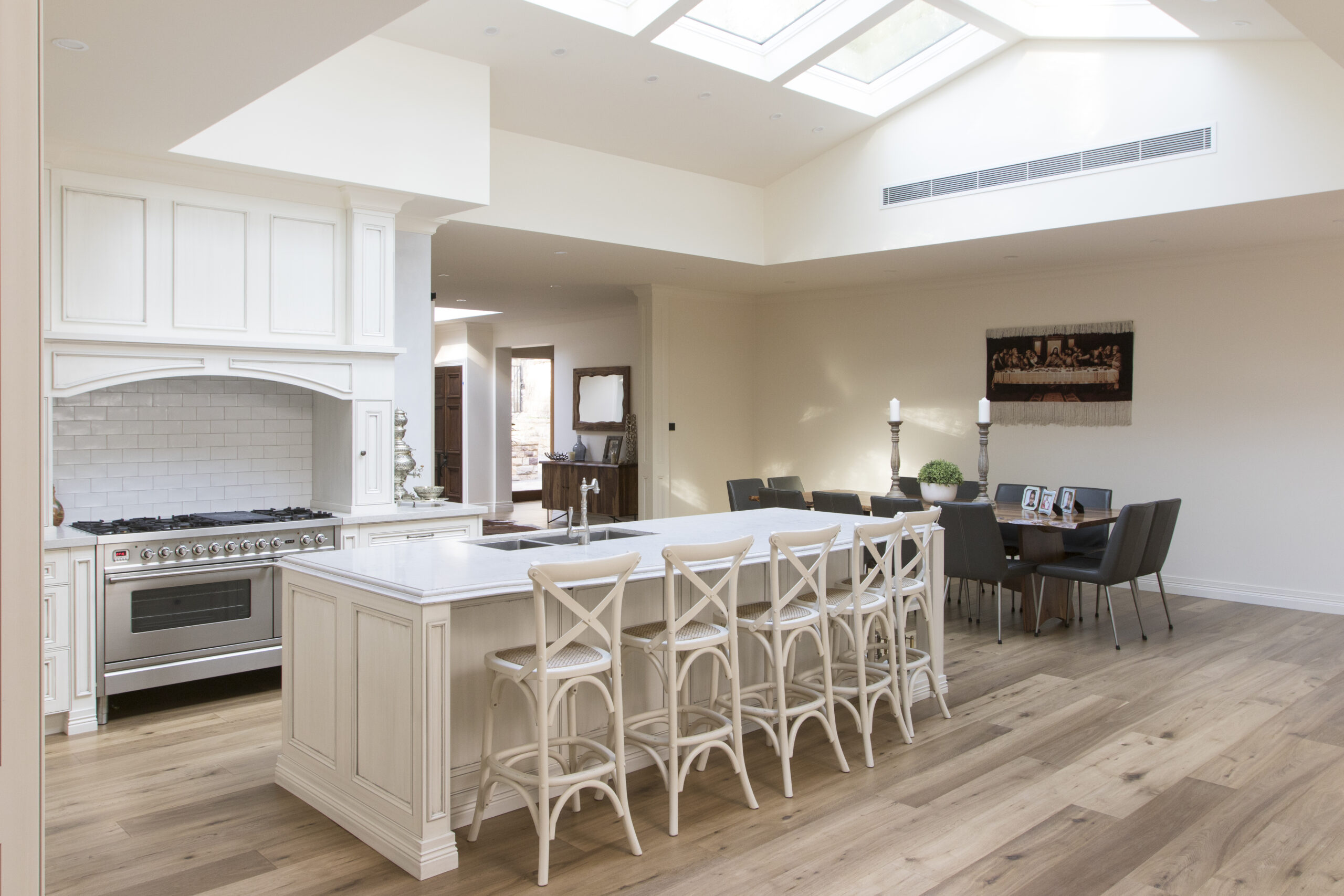
If you are planning a kitchen renovation in Wollongong or the Illawarra, the A Class team can help you understand what is involved, how long it may take and how to avoid unnecessary delays. With more than 45 years of combined experience, an award-winning kitchen portfolio and a focus on end-to-end project management, we will guide you from your first consultation through to your dream kitchen.
Book a consultation to get started with a realistic timeline and a clear plan for your new kitchen.
For a standard full renovation, your kitchen will be out of action for most of the on-site build, typically for 4 to 8 weeks. A cosmetic refresh is quicker, and you may only lose your kitchen for a few weeks. Setting up a temporary cooking spot makes downtime easier to manage.
Yes. Keeping the same layout means less plumbing and electrical work, shorter rough-in times and fewer approvals. It is one of the simplest ways to shorten your renovation timeline without compromising on the finished result.
They do. Custom cabinetry needs to be designed, manufactured and fitted to your space, which adds lead time compared to standard or flat-pack options. Your cabinet maker may need several weeks for manufacturing alone, so factoring that in early is important.
Definitely. Appliance lead times can vary greatly depending on the brand and model, and waiting for a delayed delivery can hold up the entire installation process. Locking in your new appliances early keeps the rest of the renovation timeline moving.