Most granny flat projects in NSW take between 4 and 7 months from start to finish. If that sounds longer than you expected, you're not alone. The construction itself is actually a small part of that window. It's everything that happens before the first shovel goes in that catches people off guard.
Here's what a typical timeline looks like.
| Phase | Typical Duration | What Happens |
| Initial consultation & design | 2–4 weeks | Site assessment, design brief, concept plans |
| Council approvals (CDC or DA) | 2–10 weeks | Certifier or Wollongong City Council assessment |
| Pre-construction process | 2–3 weeks | Construction certificate, trade scheduling, materials |
| Construction | 10–16 weeks | Slab, frame, lock-up, fit-out, finishes |
| Final inspection & handover | 1–2 weeks | Occupation certificate, defects check, keys |
The entire process: approximately 17–35 weeks, depending on your approval pathway and the complexity of the build.
This is where the build actually starts. Not on site, but with a proper look at your property.
A Class Building begins with a site assessment: your block's slope, rear access, existing services, and any constraints that come with Wollongong's hilly terrain and coastal properties. From there, concept plans are developed around your goals and the requirements of the State Environmental Planning Policy (Housing) 2021 (the NSW legislation that governs secondary dwellings). You can see examples of what's possible on our Wollongong granny flat builds page.
Getting the design and floor plan right here saves a lot of pain later and allows for a more streamlined process. Amendments after lodgement cost time and money.

Getting the right certificate confirms your building plans comply with the Building Code of Australia, so it is a non-negotiable; however, this is where the timeline varies most. There are two pathways.
Complying Development Certificate (CDC): If your project meets the prescribed standards under the NSW Housing SEPP — lot size, setbacks, maximum floor area — a private certifier can approve it without going to council. Most standard granny flats in Illawarra qualify. CDC approvals typically take 2–4 weeks and are the fastest way to get moving.
Development Application (DA): If your site or design falls outside CDC criteria, you'll need to lodge a DA with Wollongong City Council. This is more common across Illawarra than people expect. Reasons include:
The DA pathway gets a bad reputation, and sometimes it's deserved, but often it isn't. A well-prepared application on a tricky site can still move efficiently. The problems usually start when someone lodges without understanding what the council actually needs, or they're not following guidelines.
Incomplete or non-compliant submissions are the most common reason approvals drag out. A local builder who knows the local regulations and what Wollongong City Council expects will save you weeks at this stage.
Once approval comes through, you need a Construction Certificate before building can legally begin. This phase also covers finalising trade schedules, ordering materials, and confirming site connections for stormwater and sewer.
Builders who get trades and materials lined up before the CC is issued can cut weeks off the overall timeline. It's worth asking your builder how they handle this.
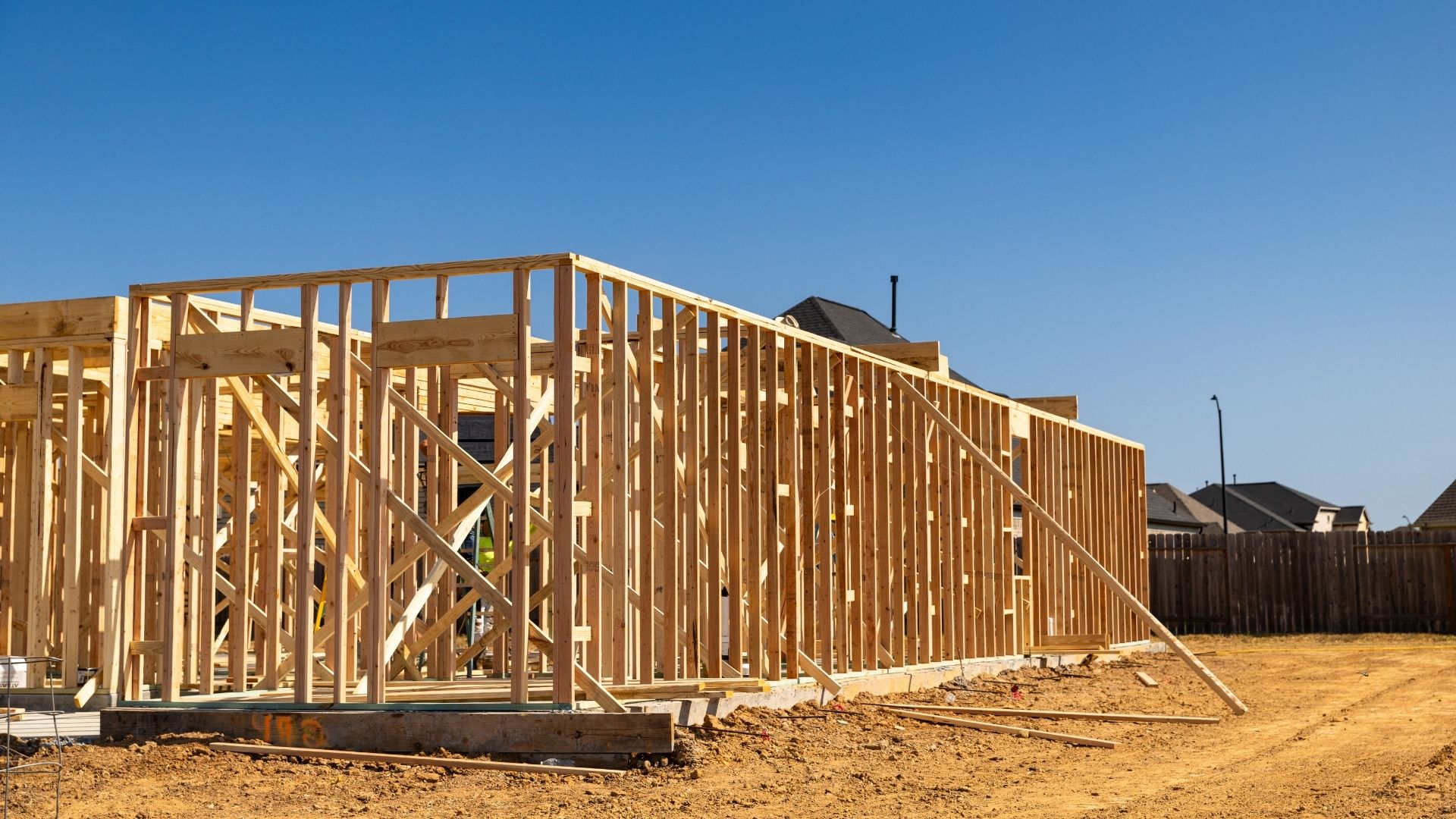
This is when the granny flat begins to take on a physical shape, and the finish line feels much closer. For a custom-designed granny flat, construction runs 10–16 weeks depending on size, site conditions, and complexity. The stages:
A custom build takes longer than standard designs or a kit flat to be constructed. But it's designed for your specific block and needs, and built to last.
Site conditions. Several factors on your site can cause you to experience delays. Wollongong blocks are often sloped, rocky, or have constrained rear access or difficult access in general. These affect how long site prep and foundations take, sometimes significantly.
Changes during the build. Changing selections or layouts after construction has started is one of the most reliable ways to blow your timeline and your budget. It happens more than you'd think, and it's almost always avoidable. Nail down your decisions before the slab goes in.
Trade availability. In a busy building market, trades book out quickly, leading to potential delays. An established local builder with existing trade relationships keeps things moving.
Adverse weather conditions. Concrete slab pours, roofing, and cladding all stop in bad weather. Building in spring or early autumn, where possible, reduces the risk of environmental factors messing up your timeline.
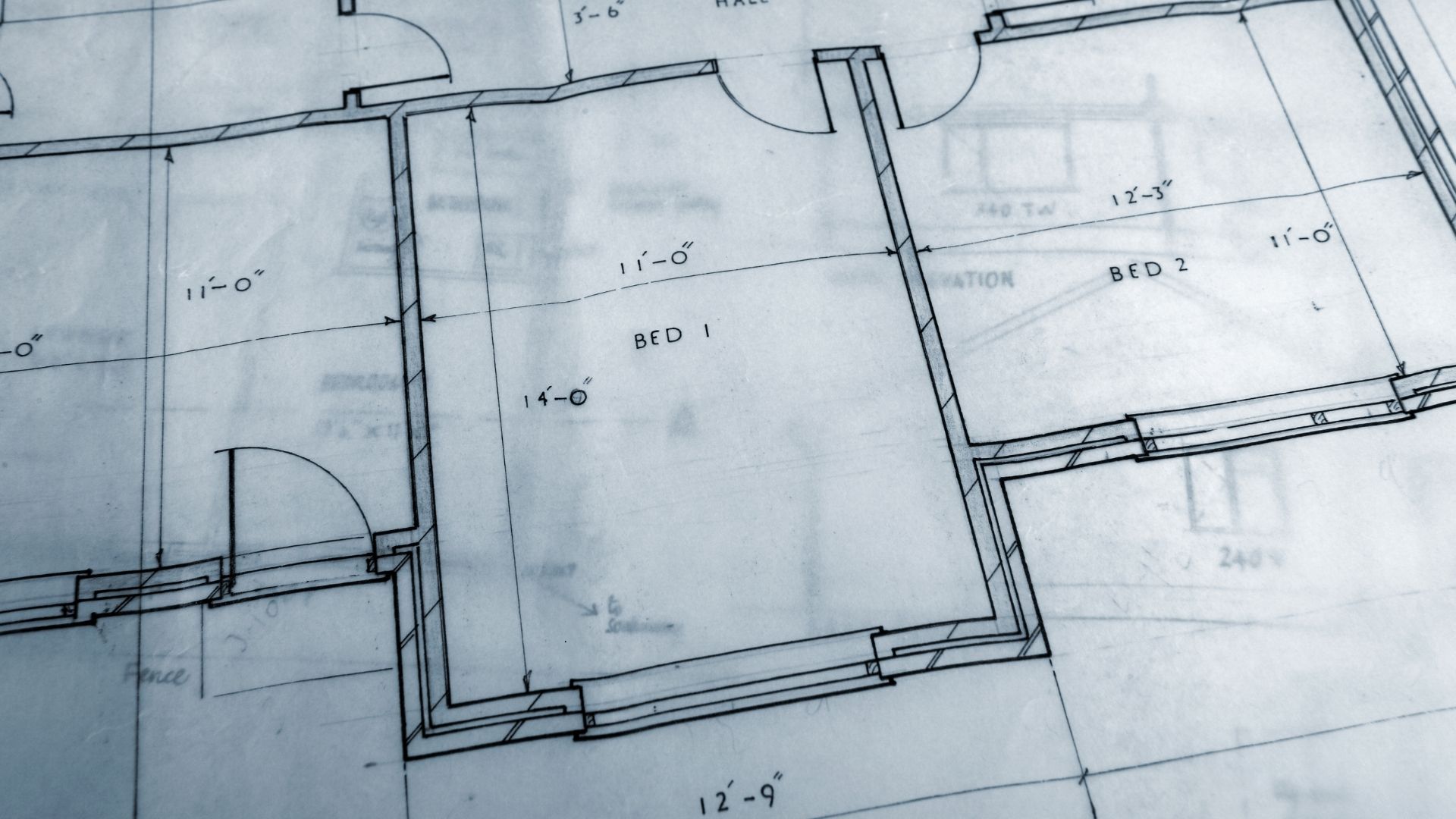
A two-bedroom granny flat is the most common configuration we build across Wollongong and the Illawarra region. For a straightforward site with CDC approval, expect roughly 5–6 months from the first consultation to handover. On a more complex site or via the DA pathway, allow 6–7 months.
The homeowners who create the smoothest, most stress-free builds are almost always the ones who started the conversation earlier than they needed to, not the ones with the biggest budget or the simplest block. If you have specific requirements and need the granny flat ready by a particular date — a family member moving in, a rental income goal, a property sale — work backwards from that date and find the right builder now. Waiting until everything feels certain usually just costs you time.
A Class Building has been working with Wollongong and Illawarra families for over 15 years, whether that's a couple building a rental dwelling in their backyard, or adult children sorting out long-term accommodation for ageing parents. If you're also trying to determine granny flat cost alongside the timeline, we can walk you through both in a single conversation. We won the MBA NSW Best Granny Flat award in 2019, and we're proud to be continuing the work that earned it.
Book a building consultation today, and we'll give you a realistic timeline for your specific property.
It depends on the pathway. A CDC approval through a private certifier typically takes 2–4 weeks. A DA lodged with your local council — such as Wollongong City Council — generally takes 6–10 weeks, sometimes longer if additional information is requested.
In most cases, yes. A granny flat is built in your backyard, separate from the main dwelling. There will be noise, tradespeople on site, and some disruption to your yard, but most homeowners stay in the house throughout the build without major issues.
From your first consultation to handover, most granny flat builds in Wollongong take between 5 and 7 months. The construction phase itself is typically 10–16 weeks. The rest of the time is design, approvals, and pre-construction preparation.