Loving your neighbourhood but not your home is one of the most common positions homeowners find themselves in, and it usually comes down to one decision: do you renovate what's there, or knock it down and start fresh? The right answer depends on a few things, such as the condition of your existing home, how much you actually want to change, and how much disruption you're willing to take on, which is what we'll walk through below.
| Renovation | Knock Down Rebuild | |
| Best suited to | Homes in reasonably good structural condition | Older homes, structural issues, or homes needing a complete redesign |
| Cost certainty | Can increase as hidden issues are uncovered | Fixed-price contracts offer more predictability |
| Design flexibility | Limited by existing structure and layout | Complete freedom to design from scratch |
| Timeline | Varies widely, can extend if problems are found | Generally 12 months or more for a full rebuild |
| Living arrangements | Often possible to stay on-site for smaller works | Requires temporary accommodation during the build |
| Emotional impact | Lower, home stays largely intact | Can be significant, letting go of a family home |
This isn't a complete answer on its own; the right call depends on your specific house and circumstances, which is what the rest of this guide walks through.
This is usually the first thing worth assessing. Older homes, particularly those approaching heritage age, often come with structural problems that aren't obvious until work begins.
Some signs are easier to spot than others:
These can all point to underlying structural issues with the foundation or frame. Ageing wiring and plumbing are less visible but just as significant, particularly in homes built before modern electrical and plumbing standards were introduced. If your existing house hasn't had major work done in decades, there's a reasonable chance some of these issues are present even if nothing looks obviously wrong on the surface.
Renovating an older property can uncover these hidden issues partway through the project, which is where costs and timelines tend to blow out. A knock down rebuild avoids this entirely, since you’re not trying to work around what's already there. If your existing house has known structural issues, or you suspect it might based on some of the signs above, a complete knock down rebuild generally comes with fewer unknowns than trying to renovate around a problem you can't fully see yet.
On the other hand, if your home is structurally sound and just needs updating, a smaller renovation- new kitchen, updated bathrooms, fresh finishes- can achieve what you want without the disruption of a full rebuild. A qualified builder or building inspector can give you a clearer read on your specific situation before you commit either way.
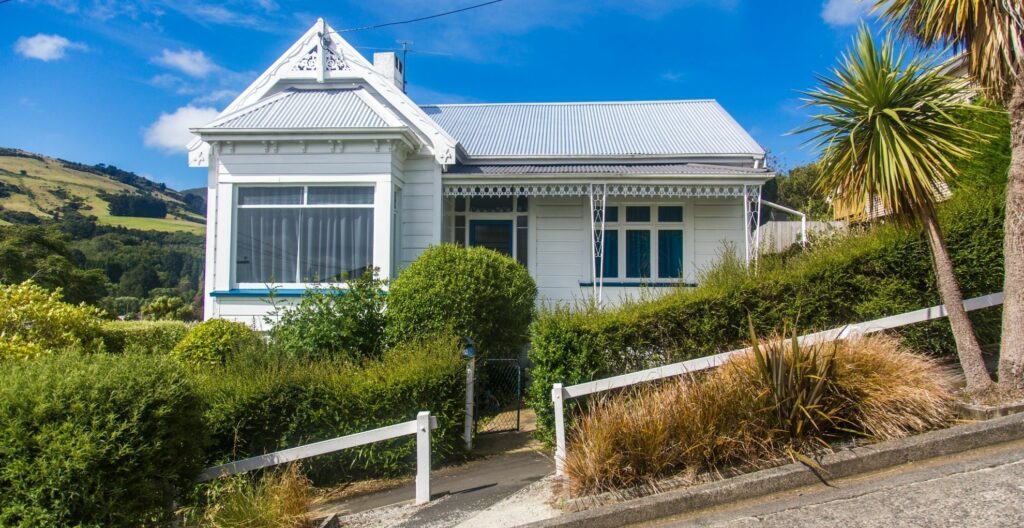
If you're picturing a new kitchen, a refreshed bathroom, or updated flooring, that's a renovation project, and a relatively contained one. But if what you actually want involves knocking down internal walls, adding a second storey, or completely reconfiguring the floor plan, you're looking at extensive renovation work that starts to approach the scope, cost, and disruption of a full rebuild, without necessarily getting you a better outcome.
This often comes down to how your household has changed since the home was built. A growing family might have simply outgrown a three-bedroom home designed for a couple, and no amount of cosmetic updating solves that; what's needed is more space, which usually means either a significant extension or starting again with a layout designed around how many people actually live there now.
On the other end, a couple downsizing or wanting a fresher look might only need updated finishes and a smarter layout within the existing footprint, which a renovation can achieve without the cost or disruption of a full rebuild.
This is often where a knock down rebuild becomes the better idea for households needing more space. Rather than trying to fit a square peg into a round hole, forcing a new layout onto an old structure, a complete rebuild lets you design the home around how your family actually lives, with no compromises forced by what's already standing.
A major renovation can be unpredictable. Once contractors start pulling things apart, hidden issues can extend the project well past the original estimate, and if you're managing multiple trades yourself, coordinating timelines adds another layer of complexity.
A complete knock down rebuild, by comparison, typically takes 12 months or more from demolition to handover, depending on the complexity of the design and how smoothly council approvals move. It's a longer commitment upfront, but it's a more structured process with fewer surprises along the way, since you're building new rather than working around existing conditions.
If you have children in school or work commitments that make an open-ended timeline difficult, that structure and predictability can make a real difference in how manageable the project feels.
This is one of the most practical differences between the two options. Smaller renovations can often be done while you continue living in the home, working around the affected rooms. But a major renovation involving structural changes, and a knock down rebuild entirely, will usually mean finding somewhere else to live for the duration.
For a knock down rebuild, that's a fixed reality, there's no home standing on the block until construction is complete. It's worth factoring the cost and logistics of temporary accommodation into your decision from the outset, rather than as an afterthought partway through planning.
If you're in a well-located, sought-after suburb, like much of Wollongong and the Illawarra, there's generally less risk of overcapitalising with a knock down rebuild. A new, well-designed home in a strong location tends to hold or increase its market value, since land value plays a significant role in what a property is ultimately worth.
It's worth speaking with a local real estate agent to get a clearer idea of how a new build compares to the current market value of your street and suburb specifically, since this varies significantly from area to area.
If you're in a smaller or slower-moving market, a renovation might be the more sensible financial move, since a full rebuild may not add proportional value in that context.
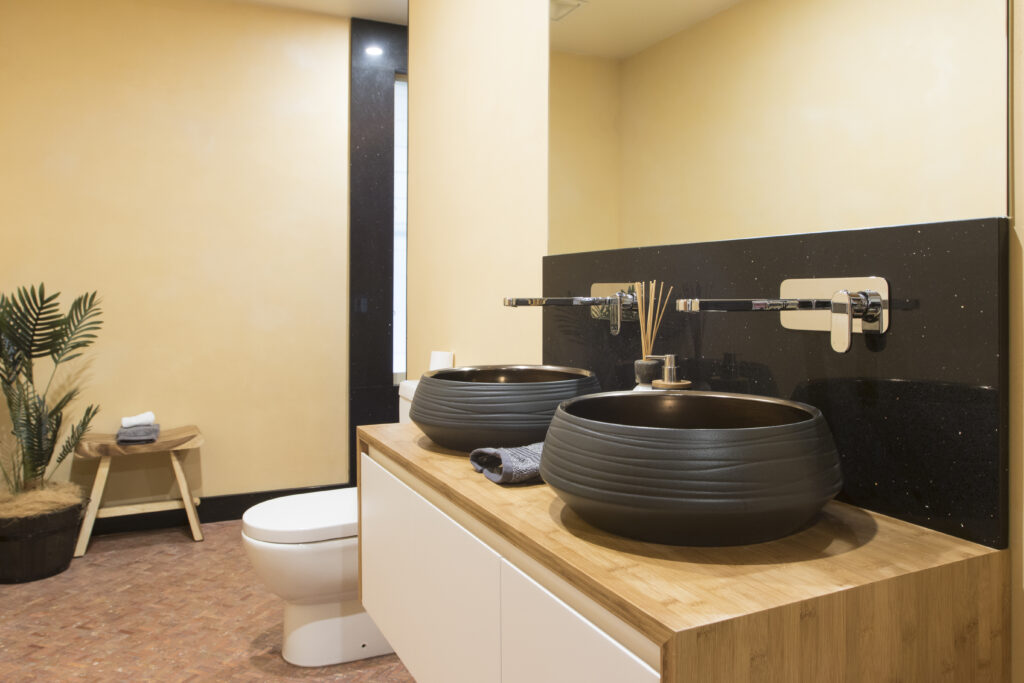
Sometimes the right answer isn't a full rebuild or a renovation, but an extension, adding space without touching the rest of the existing structure. This tends to make sense when your home's layout and condition are otherwise fine, but you've simply outgrown the space you have.
An extension keeps disruption more contained than a full rebuild, but it comes with its own set of structural and council considerations depending on what you're adding. If this sounds closer to your situation, it's worth having a conversation about whether an extension or a full rebuild makes more sense for your specific block and goals.
Whichever path you choose, council involvement is part of the process. A knock down rebuild requires either a Development Application (DA) or a Complying Development Certificate (CDC) before demolition and construction can begin, and local planning laws around setback requirements and site coverage will shape what you're able to build.
Major renovations also require the relevant council approval, particularly where structural changes are involved, though minor renovations might not need the same level of approval as a full rebuild. If your home has heritage features or sits in a heritage-listed area, this can further restrict or complicate demolition and rebuilding options, so it’s worth checking early rather than discovering a restriction partway through planning.
BASIX requirements also apply to all new residential dwellings in NSW, and to renovations or alterations valued at $50,000 or more, so energy efficiency requirements come into play regardless of which option you choose.
It's easy to focus purely on cost and logistics, but knocking down a home you've lived in, especially one where you've raised a family, is genuinely an emotional decision as much as a practical one. It's common to feel a mix of excitement about the new home and nostalgia or even grief about losing the one that held years of memories.
There's no need to rush this part of the decision. Taking the time to understand both the practical and emotional reasons behind wanting to rebuild or renovate will help you reach a decision you're actually comfortable with, not just one that makes sense on paper.
Every home, block, and family situation is different, and the right answer for your neighbour's renovate-or-rebuild decision won't necessarily be the right answer for yours. Various factors, the condition of your existing structure, your budget, your timeline, and what you're trying to achieve, all play into which option makes more sense.
Sloping blocks, coastal conditions, and specific council requirements across Wollongong and the Illawarra can all affect which option is realistic for your property, and a builder who's worked across the region will generally have a clearer sense of what's involved before you've even lodged an application. What works on a flat block in one suburb might need a completely different approach on a sloping block a few streets over.
If you're weighing up a knock down rebuild versus renovating in Wollongong or the Illawarra, we're happy to talk through your specific block and goals and give you a clearer, more informed sense of which direction makes sense for your situation.
It depends on the condition of your existing home and how much you're trying to change. If your home has structural issues or you're planning major structural changes, a knock down rebuild often makes more sense. If your home is structurally sound and you're after cosmetic updates, renovating is usually the more contained option.
There's no single answer, it depends heavily on the condition of your existing home and the scope of work involved. Renovations can start smaller but risk growing in cost if hidden issues are uncovered along the way. A knock down rebuild involves a bigger upfront commitment but generally comes with more cost certainty through a fixed-price contract. Speaking with a builder about your specific home is the best way to get a realistic comparison.
An extension adds space without touching your existing home's structure, making sense when your layout and condition are otherwise fine but you need more room. A knock down rebuild is a bigger undertaking suited to homes needing a complete redesign or with underlying structural issues. Which one fits depends on your existing home and what you're trying to achieve.
Start with an honest look at your existing home's structural condition, then consider how much you actually want to change, your timeline, and where you'll live during the project. It's also worth checking local council requirements and getting a sense of market value in your area before making a final decision.